Assisting women and children in the wake of natural disasters across South Asia requires a holistic strategy—one that combines immediate emergency aid, long-term recovery, and a gender-responsive approach. (HWCIP) is committed to ensuring that disaster response efforts expedite the unique needs of vulnerable groups, especially women and children.
• Empowering Women as First Responders: Training programs are essential to equip women with the skills to respond effectively during emergencies. For example, Pakistan’s Sindh Emergency Service Rescue 1122 is working to achieve 30% female participation by 2028, highlighting the value of women in frontline response roles.
• Establishing Inclusive Disaster Committees: Creating local disaster management teams that include women and young people ensures that planning and groundwork efforts are more inclusive and responsive to community-specific concerns.
• Distributing Emergency Essentials: (HWCIP) has supplied emergency relief kits—containing food, clean water, hygiene supplies, and clothing—to families in disaster-prone areas. In addition to distribution, local volunteers have been trained to manage emergency response effectively.
• Creating Safe Temporary Shelters: Secure shelters have been set up to protect women and children from exposure and gender-based violence, while ensuring their privacy and dignity in the aftermath of a disaster.
• Establishing Counseling Services: Mental health care is a critical yet often overlooked need during crises. (HWCIP) has created counseling centers and trained female volunteers to offer emotional support and trauma care during disaster recovery.
• Raising Awareness on Mental Health: Community-wide education campaigns promote the importance of mental well-being and inform individuals about available mental health services.
• Restoring Livelihoods: (HWCIP) offers vocational skills training and access to microloans, enabling women to rebuild income-generating activities and support their families after disasters.
• Reconstructing with Inclusivity in Mind: Post-disaster infrastructure projects are designed with the safety and accessibility needs of women and children in mind, ensuring secure and inclusive recovery.
• Advocating for Inclusive Policies: (HWCIP) actively participates in policy dialogues to push for disaster management policies that address gender-specific vulnerabilities in affected regions.
• Encouraging Grassroots Engagement: Local initiatives that involve women and children in disaster planning and recovery are key to building resilient, informed, and empowered communities.
By combining responsive aid, inclusive planning, and long-term support, (HWCIP) continues to strengthen the safety, dignity, and recovery of women and children facing the challenges of natural disasters in South Asia.

Parent-Teacher Partnership: Stay involved in their school life. Mentorship Programs: Pair older students with younger ones for guidance. Access to Resources: Libraries, educational apps, and free online courses. Extracurriculars: Balance academics with arts, sports, and hobbies.
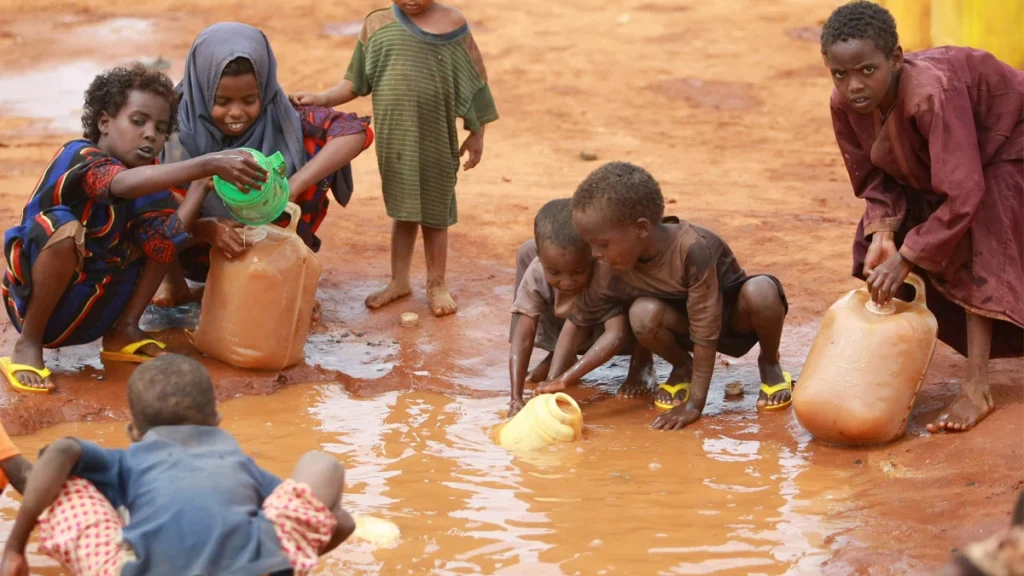
Safe drinking water prevents diseases such as diarrhea, cholera, and typhoid. Clean water supports healthy growth for children and improves school attendance. Access to pure water reduces the burden on women and children who often walk long distances to fetch water.
Prevents malnutrition, stunted growth, and anemia in children.
Supports strong immunity for women and children.
Helps pregnant and nursing mothers produce healthier babies.
Improves energy, focus, and learning ability in school.

Prevents deaths from treatable illnesses like infections, malaria, and diarrhea.
Reduces maternal and child mortality rates.
Early treatment lowers long-term healthcare costs.
Healthy communities are more productive and self-reliant .